How to Determine the True Value of Your Coin Collection Before Selling

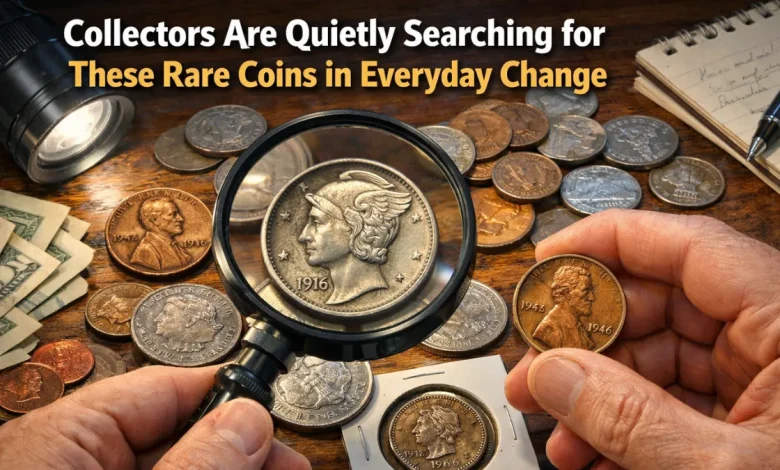
Selling a coin collection can be both exciting and nerve-wracking. Many collectors have spent years, even decades, accumulating coins with historical significance and personal value. Before parting with these treasures, it is important to understand their true worth. Determining a fair value ensures you receive a reasonable price and avoid common mistakes. This guide will help you evaluate your coin collection and make informed decisions before selling.
Understanding What Makes Coins Valuable
Not all coins are equally valuable. The value of a coin depends on several factors, including rarity, condition, historical significance, and demand among collectors. While some coins are primarily valuable for their metal content, such as gold or silver, others are worth much more because of rare dates, mint marks, or unique errors.
Rarity
Rarity is one of the most important factors when evaluating a coin. A coin that was minted in limited numbers or has few surviving examples can be highly valuable. Coins from the 1700s and 1800s, especially those with low mintage, are often sought after by collectors.
Condition
The physical condition of a coin has a major impact on its value. Coins are graded based on wear, scratches, and overall appearance. Well-preserved coins with minimal damage are worth more than heavily worn examples. Even small differences in condition can significantly affect price.
Historical Significance
Coins with historical importance, such as early U.S. silver dollars or gold coins from the 18th century, are often more valuable. Collectors appreciate the story behind the coin as much as its rarity and condition. Coins connected to major events or unique minting processes tend to attract higher prices.
Demand
The market for coins can fluctuate depending on collector interest. Coins that are in high demand can sell for more than similar examples in the same condition. Understanding current market trends helps sellers gauge the potential value of their collection.
Steps to Evaluate Your Coin Collection
Before selling your coins, take the time to evaluate them thoroughly. Following these steps will help you determine a fair and accurate value.
1. Sort and Identify Your Coins
Begin by organizing your collection. Separate coins by type, year, and mint mark. Identify any rare or unusual coins that may require special attention. Take note of any key dates or known valuable coins. This initial step helps you understand the general composition of your collection.
2. Check for Key Dates and Mint Marks
Certain coins are worth significantly more because of specific dates or mint marks. For example, the 1893-S Morgan Silver Dollar or the 1795 $10 Turban Head gold coin are considered highly valuable. Resources such as coin catalogs and reference guides can help identify these key pieces.
3. Assess the Condition
Carefully examine each coin for wear, scratches, or damage. Coins are graded on a scale, with higher grades indicating better condition. For those unfamiliar with grading, consider consulting a professional to get an accurate assessment. Proper grading can increase confidence in your asking price.
4. Research Market Prices
Look up recent sales of similar coins to understand what collectors are currently paying. Auction results, coin shows, and online marketplaces can provide insight into current market values. Be cautious of outdated guides or inflated estimates, as the coin market changes over time.
5. Seek Professional Appraisal
For coins with potential high value, a professional appraisal is often the best option. Experts can spot rare coins, verify authenticity, and provide an accurate valuation. Organizations like the American Rare Coin Collectors Association offer events where collectors can have their coins evaluated by knowledgeable professionals.
Tips for Selling Your Coins
Once you understand the value of your collection, the next step is selling. Following best practices ensures a fair transaction and a positive experience.
Attend Coin Shows
Coin shows provide an opportunity to connect with reputable buyers and get multiple offers for your collection. Many professional coin dealers attend these events, and some, like the American Rare Coin Collectors Association, offer traveling events across the country. Bringing your coins to a show allows you to receive transparent offers based on condition, rarity, and market value.
Be Transparent About Your Coins
Provide accurate information about your coins, including any damage or restoration. Honesty helps build trust with buyers and can prevent disputes later. It is important to understand that fair buyers will offer a reasonable price for your coins based on their true condition.
Consider Selling in Batches
Selling coins individually can take time, while selling in batches may attract buyers looking for larger collections. Batching coins that are common or lower value can simplify the process while keeping rare coins separate for individual evaluation.
Protect Your Coins
Proper handling is essential when selling coins. Use gloves or hold coins by the edges to prevent fingerprints and damage. Store coins in protective sleeves or holders, especially rare or high-value pieces. Proper care preserves value and ensures you receive fair offers.
Common Mistakes to Avoid
Even experienced collectors can make mistakes when selling their collections. Avoiding these pitfalls helps ensure a smooth and profitable transaction.
Selling Without Research
Selling without understanding your coin’s value can result in significantly lower offers. Take the time to research, grade, and appraise your coins before accepting any offer.
Relying Only on Metal Value
While gold and silver content contributes to a coin’s value, collectors often pay much more for rare or historical coins. Do not sell valuable coins solely based on metal content.
Ignoring Professional Advice
Experienced appraisers and reputable organizations can provide insight that may increase the value of your collection. Ignoring expert guidance may lead to missed opportunities or undervaluation. The American Rare Coin Collectors Association emphasizes fair, transparent evaluations to help collectors make informed decisions.
Conclusion
Determining the true value of your coin collection before selling is essential for a fair and successful transaction. Understanding rarity, condition, historical significance, and current market demand allows collectors to make informed choices. Proper evaluation, research, and professional guidance are key to maximizing value.
Whether you are selling a small group of coins or a lifetime collection, taking the time to assess your coins carefully ensures you receive the price your collection deserves. Working with reputable organizations, such as the American Rare Coin Collectors Association, can provide confidence, transparency, and peace of mind throughout the selling process. By following these steps, collectors can enjoy a smooth experience and leave with the satisfaction of knowing they received fair value for their cherished coins.


