Inside Outsourcing – 6 Ways That Outsourcing Can Help You Streamline Your SME

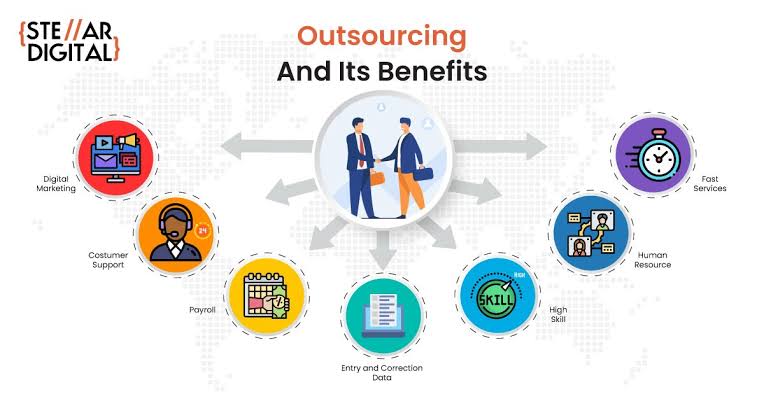
Spend enough time running a small business, and you start noticing where your time actually disappears.
Not the big strategic stuff. Not the exciting growth ideas. It’s usually the messy operational things nobody really talks about. Chasing suppliers. Fixing small fulfilment errors. Answering the same process questions again and again.
I remember one week where I lost three mornings just dealing with delivery issues. Not improving anything. Just holding things together.
That was probably the moment I started looking at outsourcing differently.
Most SME bottlenecks aren’t knowledge problems. They’re capacity problems. Once you see that, it becomes pretty obvious why some businesses seem calmer while others constantly feel stretched.
That’s usually where outsourcing quietly enters the picture.
1. You stop becoming the operations firefighter
One of the first real changes I noticed was when logistics stopped being something I personally had to jump in and rescue.
After too many late afternoons trying to coordinate shipments myself, I started looking into how fulfiment centres actually run. Proper warehouse systems. Dedicated dispatch teams. Processes already built instead of improvised.
That was a bit of a wake-up call.
Orders started moving without me checking every step. Stock got handled without five messages back and forth. Problems still happened, but they were handled before they reached me.
Which honestly felt strange at first.
Almost too quiet.
2. Your calendar suddenly has breathing room
This was the part nobody really explained beforehand.
I expected outsourcing to improve margins. What I didn’t expect was how much mental clutter it removed.
Fewer interruptions. Fewer small approvals. Fewer random operational decisions draining energy.
I remember one Wednesday afternoon noticing nobody had asked me about dispatch timing or supplier delays all day. First time in ages.
My coffee even went cold because I was actually focusing on strategy work instead of reacting to issues.
Small thing. Big difference.
3. Small mistakes stop repeating themselves
Before outsourcing, mistakes usually came from people juggling too many roles. Understandable, but costly over time.
After outsourcing certain functions, I noticed something different. Systems were doing the remembering instead of people.
Checklists. Scanning processes. Verification steps.
I think it was maybe four or five months in when I realised error rates had quietly dropped. Nobody announced it. Things just ran smoother.
Turns out specialists build processes assuming humans forget things sometimes.
Because we do.
4. Growth stops feeling slightly terrifying
This one surprised me.
There was a period where increased sales actually stressed me out. More orders meant more pressure on fragile systems. Growth felt risky instead of exciting.
Not ideal when you’re trying to scale.
Outsourcing changed that dynamic because capacity was no longer limited by my immediate team. External partners already had staff, space, and workflows ready.
Growth stopped meaning how do we cope with this?
It started meaning how far can we push this?
Very different headspace.
5. You realise what you probably shouldn’t be doing anymore
This part was a little confronting if I’m honest.
Most SME owners, myself included, spend too much time doing things they’ve simply always done. Not because they should. Just because they always have.
I remember someone casually asking why I was still personally checking operational details and I genuinely didn’t have a good answer.
Just habit.
Outsourcing forces a simple but uncomfortable question:
If someone else can do this better and faster, why am I still doing it?
Took me a bit to sit with that one.
6. The business starts feeling more stable than busy
This was probably the biggest shift overall.
When everything depends on you, it doesn’t really feel like a scalable company. It feels like a demanding job you can’t switch off from.
Gradually outsourcing specialised areas changes that structure. Operations become systems. Tasks become workflows. Responsibility spreads across capability instead of pressure.
I remember one random Thursday where nothing urgent popped up. No operational surprises. No last-minute fixes.
I actually checked messages thinking I must have missed something.
Nothing was wrong.
Things were just… running.
Which, honestly, took some getting used to.