Outsourcing Opportunities: 5 Industries That Outsourcing Has Revolutionised

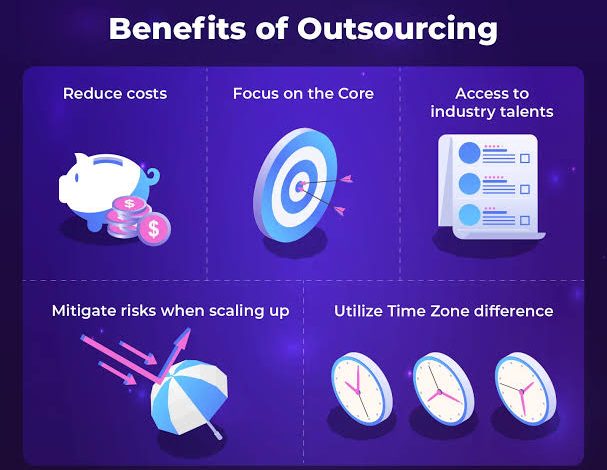
A lot of modern businesses are far leaner than they look from the outside.
Companies that once needed giant factories, warehouses and massive staffing structures can now operate with surprisingly small teams by outsourcing huge parts of the operation to specialists.
Once you notice it, you start seeing it everywhere.
1. Wine Became a Branding Business as Much as a Manufacturing One
The wine industry changed enormously once outsourcing became normal.
A lot of modern wine brands don’t actually own vineyards, bottling plants or storage facilities themselves. Instead, they work with contract producers, logistics providers and specialist services handling everything from production to wine warehousing & pallet storage behind the scenes.
Which completely changed the economics of entering the industry.
Founders can now focus more heavily on branding, marketing and distribution without spending millions upfront on land and infrastructure first.
That flexibility opened the door for a huge wave of boutique labels over the past couple of decades.
Some tiny.
Some now surprisingly large.
2. Fashion Brands No Longer Need Factories
This industry changed massively.
Years ago, clothing companies often owned manufacturing facilities directly. Today many fashion businesses operate almost entirely through outsourced production partners overseas.
Design happens in-house.
Manufacturing doesn’t.
That means smaller brands can launch collections without owning machinery, factories or large production teams themselves. A company might focus purely on product design, marketing and eCommerce while external partners handle cutting, sewing, packaging and freight.
Which explains why so many niche online fashion labels appeared so quickly over the past decade.
Barriers dropped dramatically.
3. Logistics Became Its Own Specialist Industry
Warehousing used to be something companies handled themselves.
Now entire industries exist purely to manage logistics for other businesses.
Third-party logistics providers handle storage, pick-and-pack operations, shipping and inventory systems for thousands of companies simultaneously. Some online retailers never physically touch their own products at all.
Orders arrive.
A fulfillment center somewhere else handles the rest.
That efficiency changed eCommerce enormously because businesses no longer needed huge storage facilities before scaling online.
Worth remembering early.
A lot of brands that look operationally huge are actually outsourcing most of the physical movement behind the scenes.
4. Software Companies Got Ridiculously Lean
Tech startups used to need expensive infrastructure too.
Servers. Hardware. Internal IT departments.
Now cloud computing handles most of it.
A modern software company can launch globally while outsourcing hosting, cybersecurity, payment processing, customer support and infrastructure management to specialist providers.
That’s part of why startups move so quickly now.
Teams stay small longer because external systems absorb so much operational weight behind the scenes.
Which sounds efficient because it is.
Still creates new risks though.
A lot of companies now depend heavily on third-party platforms functioning properly.
5. Media Production Escaped the Big Studios
This shift happened faster than people expected.
Media once required massive infrastructure. Recording studios. Editing suites. Distribution networks. Expensive equipment everywhere.
Now individual creators outsource huge portions of the process instead.
Editors work remotely. Designers freelance globally. Distribution happens through digital platforms. Podcast producers, video editors and social media teams might all operate from different countries without ever meeting in person.
Some modern media brands are essentially networks of outsourced specialists coordinated online.
And audiences rarely notice.
From the outside it still feels like one cohesive business.
Which is probably the most interesting part of modern outsourcing.
A lot of companies no longer look anything like the industries they originally came from.