The 5 Phases of Palliative Care Every Caregiver Should Know

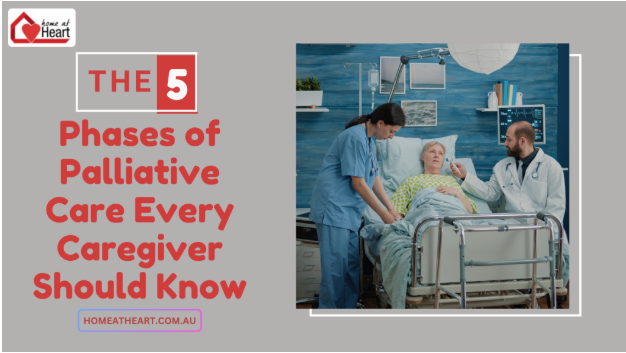
When a loved one is diagnosed with a serious, life-limiting illness, one of the first fears families face is not knowing what comes next. Palliative care exists to answer that fear with support, comfort, and a clear plan. It may be delivered in a hospital, in a hospice, or at home through In-Home Aged Care.
In Australia, this care follows a recognised five-phase framework. Understanding it helps you prepare for what lies ahead rather than being caught off guard. Before we look at the five phases, it helps to clear up a common misunderstanding.
Palliative care is not only for the final days of life. It can begin early, run alongside treatment aimed at prolonging life, and continue for months or even years. Starting sooner typically improves comfort and, in many cases, may help a person live longer.
Quick overview of the five phases
| Phase | Focus
|
|---|---|
| Stable | Symptoms controlled; building the care plan |
| Unstable | New or worsening symptoms; adjusting the plan |
| Deteriorating | Gradual decline; shifting towards comfort |
| Terminal | Final days; comfort and dignity |
| Bereavement | Support for family and carers after loss |
Phase 1: Stable
The journey usually begins here. In the stable phase, symptoms are under control and your loved one may still be active, engaged, and living much as they did before. This is the calmest of the five, and it is the right time to plan.
During this phase, the care team works with the person and family to set things up properly:
- Building a care plan for both present comfort and future needs
- Setting goals for symptom management and quality of life
- Getting to know the people who will provide support
The trust built now pays off later, because everyone understands the person’s wishes before any crisis arrives. If you are supporting someone who has just been diagnosed, this is the moment to ask questions and document everything while things are still settled.
Phase 2: Unstable
The unstable phase begins when something changes unexpectedly. A new symptom appears, or an existing one worsens, and the current plan no longer holds. This shift can be concerning, but it is a normal part of the journey.
Here, the care team steps in more closely to:
- Adjust medicines and manage pain
- Bring new symptoms under control
- Help prevent an unnecessary trip to hospital
- Support the emotional strain on both the person and the family
The emotional weight often grows during this phase, so counsellors, nurses, and other team members help everyone process what is happening. If you feel overwhelmed at this point, Home Care Services can help.
Phase 3: Deteriorating
Deterioration tends to happen gradually rather than all at once. The focus of care shifts more firmly towards comfort as the person changes.
Common signs you may notice include:
- Growing weaker and sleeping more
- Eating and drinking less
- Finding movement harder
- Existing symptoms slowly intensifying
This is the phase when many families begin seriously considering end-of-life care. It is a difficult conversation, but an open one, and working with the care team helps everyone prepare, both practically and emotionally. More hands-on help usually becomes necessary now, whether that is a nurse assisting with daily tasks or a personal care worker helping with bathing and dressing.
The philosophy behind good aged care is that a person maintains dignity and comfort even as their independence fades, and this phase is where that principle matters most.
Phase 4: Terminal
The terminal phase covers the final days of life and focuses entirely on comfort and dignity. Treatment aimed at fighting the illness steps back, and the priority becomes keeping the person peaceful and pain-free.
Physical changes often become more noticeable here:
- Sleeping almost constantly
- Stopping eating and drinking
- Changes in breathing, sometimes noisy
Some of these changes can be distressing for families to witness, yet they usually do not cause discomfort for the person. The care team stays close during the terminal phase, managing symptoms and offering emotional and spiritual support to everyone present. Many families choose to keep their loved one at home during this time, supported by home care services that let the person spend their final days in a place that feels familiar. Being present, holding a hand, and sitting nearby can be very meaningful in these moments.
Phase 5: Bereavement
Care does not end when a life does. The bereavement phase recognises that families and carers need support too, and it continues after the person has passed.
This phase offers:
- Counselling for grieving family members
- Grief resources and information
- Follow-up support in the weeks and months after loss
Grief has no fixed timeline, and having somewhere to turn makes the weight easier to carry. If you have cared for someone through their illness, allowing yourself to accept this support is not weakness. It is part of healing, and it is exactly what this final phase is there to provide.
Summary
The five phases of palliative care are stable, unstable, deteriorating, terminal, and bereavement. The stable phase is for planning while symptoms are controlled. The unstable phase brings sudden changes that need the care plan adjusted. Deterioration happens gradually as strength fades and comfort becomes the focus. The terminal phase centres entirely on dignity and pain relief in the final days, and bereavement supports the family after their loved one passes.
These phases do not always run in order, as a person may move back and forth as their needs change. Knowing them gives families a clearer pathway so that they can make decisions with understanding rather than fear.
If someone you love is facing a life-limiting illness, Home at Heart provides compassionate in-home aged care to families across Wagga Wagga and the surrounding region. Contact the Home at Heart team on 1300 923 934 to talk through how support may help your family.
Frequently Asked Questions
When should palliative care begin?
It can start as soon as someone is diagnosed with a serious, life-limiting illness, even while they are still receiving active treatment. Beginning early typically improves comfort and quality of life, and there is no need to wait until the final stages.
Is palliative care the same as hospice or end-of-life care?
No. Palliative care covers the whole journey of a serious illness and can run for years. End-of-life or hospice care refers to the later phases specifically. Palliative care includes those phases but is broader.
Can palliative care be provided at home?
Yes. Many Australians choose to receive palliative care at home so they can stay in familiar surroundings with family close by. A care team, including nurses and personal care workers, supports the person and family throughout.
How long does each phase last?
There is no fixed length. Some people stay stable for years, while others move through the phases in weeks. The phases can also repeat or alternate, since illness rarely progresses in a predictable line.
What support is available for family members?
Families receive emotional support throughout, and the bereavement phase offers counselling and grief resources after a loved one passes. Respite care during the earlier phases also gives family carers a chance to rest.


