Why Not Every Apartment Needs a Luxury Renovation

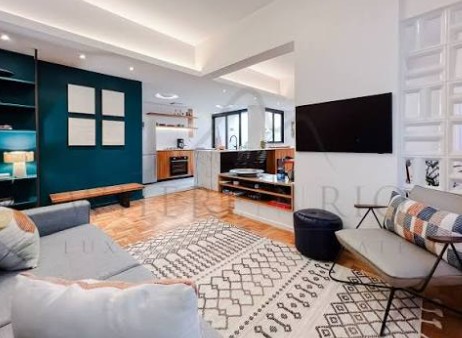
For years, luxury renovations have been one of the most popular strategies in multifamily real estate. Investors purchase aging apartment communities, upgrade interiors and common areas, raise rents, and hope the increased revenue justifies the cost of improvements. In the right market, that approach can be extremely effective. Many successful apartment investments have been built around thoughtful renovations that improve both resident experience and property value.
The problem is that luxury renovations have become so common that some owners assume every property should follow the same playbook. As a result, many apartment communities undergo expensive upgrades without enough consideration for whether residents actually want those changes or whether the local market can support the higher rents needed to justify the investment.
Not every apartment community is meant to become a luxury property. In many cases, the most successful owners are the ones who understand exactly what their residents value and focus their resources accordingly.
Residents Usually Prioritize Value Over Luxury
One of the biggest misconceptions in multifamily real estate is that renters are always looking for the highest-end product available. In reality, most renters are looking for a combination of affordability, convenience, and reliability.
When residents evaluate where they want to live, they often focus on factors that affect their daily lives. They want maintenance requests handled quickly. They want safe parking areas, functional appliances, responsive management, and a location that makes their commute easier. While upgraded finishes can certainly be appealing, they are rarely the primary factor driving leasing decisions.
A multifamily owner in the Southeast recently shared a story about surveying residents before launching a major renovation project. Ownership expected residents to ask for upgraded kitchens, luxury flooring, and expensive amenity additions. Instead, most residents requested better outdoor lighting, improved package management, and more consistent maintenance response times.
The owner ultimately shifted the renovation budget toward operational improvements rather than cosmetic upgrades. Occupancy increased, resident retention improved, and the property avoided spending hundreds of thousands of dollars on upgrades that residents had never prioritized in the first place.
Renovation Costs Must Be Matched to Market Reality
The financial side of luxury renovations deserves careful scrutiny.
According to the National Apartment Association, unit renovations can range from several thousand dollars per unit to well over $25,000 depending on the scope of work. When owners add premium finishes, amenity upgrades, and common-area improvements, total project costs can increase substantially.
Those investments only make sense if the market supports meaningful rent growth.
In many workforce housing markets, residents simply cannot absorb the rent increases necessary to justify extensive luxury renovations. Owners may spend substantial amounts upgrading units only to discover that competing properties continue attracting renters at lower price points.
One investor described a property that received extensive interior renovations including premium countertops, upgraded cabinetry, luxury flooring, and designer fixtures. The units looked fantastic. The challenge was that the surrounding market did not support the rents needed to achieve the projected returns.
As the owner later explained, “We built apartments our residents liked, but not apartments they were willing to pay significantly more for.”
Workforce Housing Remains a Powerful Opportunity
The apartment industry often focuses attention on luxury communities because they generate headlines and attractive marketing materials. Yet workforce housing continues to serve a significant portion of the rental market.
Research from Harvard University’s Joint Center for Housing Studies consistently shows that millions of renter households face affordability challenges. Many renters are searching for quality housing that fits within their budgets rather than luxury housing that stretches their finances.
This creates an opportunity for owners who understand how to position properties effectively.
A clean, well-maintained apartment community with responsive management, practical amenities, and reliable operations can perform exceptionally well without competing in the luxury segment. In many markets, residents are actively searching for exactly that type of housing.
Ben Roper has often emphasized that successful multifamily investing starts with understanding the resident rather than chasing industry trends. That philosophy becomes particularly important when evaluating renovation decisions. Owners who understand their residents’ priorities are far more likely to allocate capital effectively than owners who simply follow whatever strategy happens to be popular at the moment.
Operations Often Matter More Than Finishes
Some of the strongest-performing apartment communities are not necessarily the newest or most luxurious. Instead, they are properties that operate exceptionally well.
Residents interact with operations every day. They submit maintenance requests. They communicate with property management. They use parking areas, common spaces, and community amenities. Those experiences shape resident satisfaction far more frequently than upgraded finishes.
One multifamily owner acquired a property where the previous ownership group had invested heavily in cosmetic improvements but neglected operational consistency. Although the apartments looked modern, residents frequently complained about maintenance delays and poor communication.
Rather than launching another renovation program, the new ownership team focused on staffing, maintenance processes, and resident communication. Occupancy improved and turnover declined within a relatively short period.
The lesson was straightforward. A property can have beautiful finishes and still deliver a poor resident experience. Conversely, a property with modest finishes can perform extremely well when operations are strong.
Small Improvements Can Create Big Results
Many owners assume meaningful property improvements require massive capital expenditures. That is not always the case.
Some of the most effective upgrades are surprisingly simple.
Improved landscaping can create a stronger first impression. Better lighting can improve resident comfort and safety. Updated signage can make a property feel more professional. Faster internet infrastructure can improve daily life for residents. Refreshed common areas can increase resident satisfaction without requiring extensive renovations.
One property manager recalled spending months discussing premium interior upgrades while residents repeatedly requested additional covered parking.
When ownership finally completed the parking project, resident satisfaction increased immediately.
The lesson was clear. The most valuable improvement is not always the most expensive one.
The Best Properties Understand Their Identity
Every successful apartment community has a clear understanding of who it serves.
Luxury communities succeed because they deliver a luxury experience. Workforce housing succeeds because it delivers affordability and reliability. Mid-market properties succeed because they balance quality and value.
Problems often arise when owners attempt to transform a property into something the market never demanded.
A great apartment community does not need to appeal to every renter. It simply needs to provide exceptional value for its target resident.
That requires discipline. It also requires understanding that not every property benefits from chasing the highest-end positioning possible.
Renovate With Purpose
Luxury renovations remain an important tool within multifamily real estate. In the right circumstances, they can create substantial value for both owners and residents.
The key is understanding why the renovation is being pursued in the first place.
If the improvements solve resident needs, strengthen the property’s competitive position, and generate a reasonable return, the investment may be worthwhile. If the renovation exists primarily because luxury upgrades are fashionable, the outcome becomes far less predictable.
The most successful owners approach renovations with purpose. They study their residents. They understand their market. They invest where it matters most.
Not every apartment needs a luxury renovation. Sometimes the smartest strategy is making the property better at being exactly what it was built to be.