Shelf Space Is Rented, Not Owned: How Brands Earn Their Place Every Day

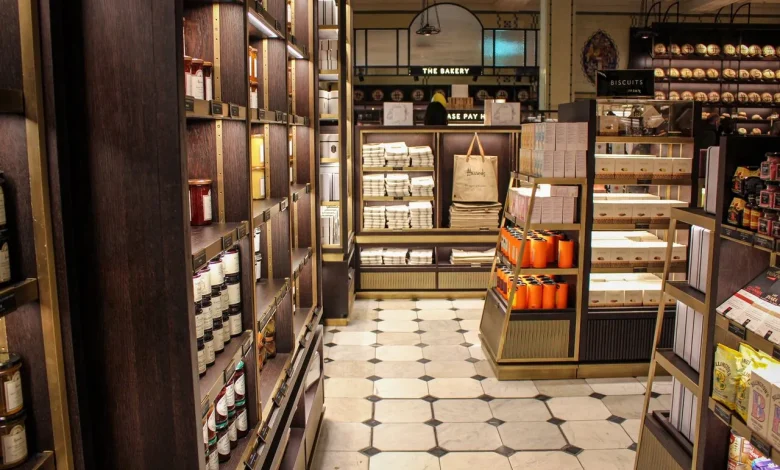
For many brands, getting onto a retail shelf feels like a major victory. It represents months of effort, investment, and persistence finally paying off. Seeing a product displayed in a big-box store can feel like a moment of arrival.
But here’s the reality that separates successful brands from struggling ones:
Shelf space is not owned—it is rented.
Every product on a retail shelf is there because it is earning its place. The moment it stops performing, that space becomes available for something else. Retailers are constantly evaluating what stays and what goes, and they make those decisions based on results.
Understanding this mindset is essential for any brand that wants to succeed in retail long-term.
Retail Is a Performance-Based Environment
Retailers operate in a highly competitive environment where every inch of shelf space matters. Each product must contribute to the store’s overall performance. If it doesn’t, it will eventually be replaced.
This means brands are not competing just to get into retail—they are competing to stay there.
Retail buyers monitor sales data closely. They track how quickly products move, how often they need to be restocked, and how they perform compared to other items in the same category.
If a product consistently sells, it earns its place. If it doesn’t, it risks being removed.
This performance-driven model creates constant pressure, but it also creates opportunity. Brands that understand how to perform can build lasting success, regardless of their size.
Placement Is Just the Beginning
One of the most common mistakes brands make is treating retail placement as the finish line.
In reality, placement is only the starting point.
Getting onto the shelf creates an opportunity, but it does not guarantee success. Without a strategy to drive sales, even the best products can struggle.
Brands must shift their mindset from “getting in” to “performing consistently.” This means thinking beyond the initial launch and focusing on what it takes to generate ongoing demand.
Companies that specialize in retail performance often emphasize this shift. For example, firms like TLK Fusion work with brands to ensure they are not just placed in retail, but positioned to succeed once they are there.
The difference is significant. One approach focuses on entry, while the other focuses on sustainability.
Daily Effort Drives Long-Term Results
Retail success is not built in a single moment. It is built through consistent daily effort.
Every day, brands must earn their place on the shelf by driving sales, supporting their product, and maintaining strong relationships with retailers.
This includes:
- Promoting the product through marketing and awareness campaigns
- Ensuring inventory is stocked and available
- Monitoring performance and making adjustments
- Communicating with retail partners
Brands that remain active and engaged are far more likely to maintain momentum. Those that become passive after placement often see their performance decline.
Retail does not reward inactivity. It rewards brands that continue to show up and support their product over time.
Marketing Must Support Retail
One of the biggest drivers of retail success is aligned marketing.
Many brands invest heavily in marketing but fail to connect it to their retail presence. They generate online attention but do not direct consumers to stores, or they create awareness without ensuring product availability.
Effective retail marketing does something different—it drives consumers into stores.
This can include social media campaigns that highlight retail locations, influencer partnerships that encourage in-store purchases, and targeted promotions that align with retail launches.
When marketing and retail work together, products move.
Agencies like TLK Fusion often focus on this alignment, helping brands connect consumer awareness with in-store sales so that marketing efforts translate into measurable retail performance.
Without this connection, even strong marketing can fail to deliver results where it matters most.
Strong Relationships Keep Doors Open
Retail is not just about products—it is about partnerships.
Retail buyers want to work with brands that are reliable, professional, and committed to success. They value partners who communicate clearly, respond quickly, and take responsibility for performance.
Brands that build strong relationships with retailers often gain advantages over time. These can include better placement, expanded distribution, and opportunities to introduce new products.
On the other hand, brands that neglect communication or fail to meet expectations can quickly lose credibility.
Maintaining a strong relationship requires consistency. It means keeping retailers informed, addressing challenges proactively, and demonstrating a commitment to long-term success.
When retailers trust a brand, they are more likely to support its growth.
Visibility and Positioning Matter
In a crowded retail environment, visibility is critical.
Customers are faced with countless choices when they walk into a store. If a product does not stand out, it may never get noticed.
Brands must ensure that their product is easy to understand and visually compelling. Packaging should clearly communicate the product’s purpose, benefits, and value.
Positioning also plays a role. Products that occupy a clear and distinct space within their category are easier for consumers to recognize and choose.
When a product stands out, it has a better chance of moving off the shelf—and that movement is what keeps it there.
Adaptation Is Key to Survival
Retail is constantly changing. Consumer preferences shift, competitors enter the market, and trends evolve.
Brands that succeed understand the importance of adaptation.
They pay attention to sales data, listen to feedback, and adjust their strategy when needed. This might involve updating packaging, refining messaging, or changing promotional tactics.
The ability to adapt quickly can help brands recover from slow starts and maintain momentum over time.
Rigid strategies, on the other hand, often lead to missed opportunities and declining performance.
Retail rewards flexibility. Brands that are willing to evolve are more likely to stay relevant and competitive.
Consistency Builds Momentum
Success in retail is not about one strong week or one successful promotion. It is about consistency.
Products that sell steadily over time build trust with retailers. They demonstrate reliability and long-term potential.
This consistency leads to growth. Retailers are more likely to expand shelf space, increase orders, and introduce products to additional locations when they see sustained performance.
Momentum builds gradually, but it becomes powerful over time.
Brands that focus on consistent execution are better positioned to turn short-term success into long-term opportunity.
Earning Your Place Every Day
The idea that shelf space is rented, not owned, is one of the most important lessons in retail.
It shifts the focus from achievement to responsibility.
Getting onto the shelf is an accomplishment—but staying there requires ongoing effort, strategic thinking, and a commitment to performance.
Brands must show up every day ready to support their product, engage their audience, and deliver results.
Those that understand this reality approach retail differently. They plan more carefully, execute more consistently, and remain actively involved in their success.
Companies like TLK Fusion often reinforce this mindset when working with brands, emphasizing that long-term retail success comes from continuous performance, not one-time wins.
The Real Measure of Retail Success
In the end, retail success is not defined by placement—it is defined by staying power.
The brands that thrive are the ones that treat shelf space as something to be earned, not something to be taken for granted. They understand that every day is an opportunity to prove their value.
Retail is dynamic, competitive, and demanding. But for brands that are prepared to meet those demands, it also offers incredible opportunity.
Because in a world where shelf space is rented, the brands that succeed are the ones that earn their place—every single day.


