Teaching Kids Through Play: How Early Education and Sports Go Hand in Hand

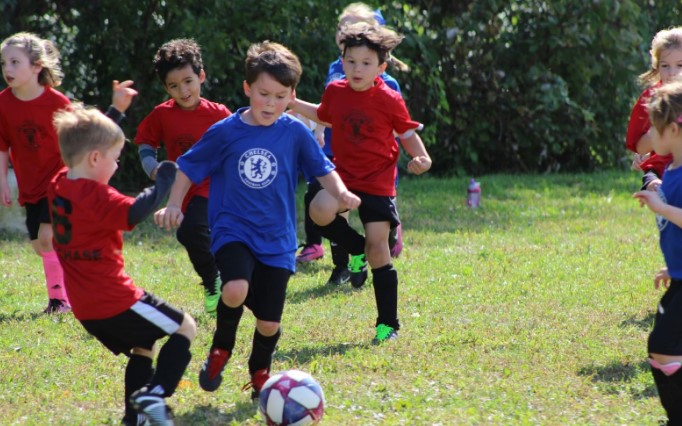
For young children, play is not a break from learning. Play is learning. Long before worksheets, tests, or structured classrooms, children discover the world through movement, curiosity, and imagination. When education is paired with sports and physical activity, learning becomes natural, joyful, and deeply effective. This is especially true in early childhood, when the brain and body are developing together.
Sports-based play offers more than physical benefits. It teaches communication, problem solving, emotional regulation, and confidence. When done thoughtfully, it becomes one of the most powerful educational tools available for young children.
Why Play Is Essential in Early Education
Young children learn differently than older kids and adults. They learn best by doing, touching, moving, and repeating experiences in a low-pressure environment. Traditional instruction methods are often ineffective for toddlers and preschoolers because they require attention spans and abstract thinking that are still developing.
Play-based learning meets children where they are. Through games, songs, movement, and interaction, kids absorb lessons without realizing they are being taught. Concepts like taking turns, following directions, and working with others become part of the experience rather than rules imposed from above.
When learning feels like play, children stay engaged longer and build positive associations with education. This foundation matters. Early experiences often shape how children feel about learning for years to come.
The Role of Sports in Child Development
Sports introduce structured play. They provide boundaries while still allowing freedom and creativity. For young children, sports should not focus on competition or performance. Instead, they should emphasize exploration, movement, and enjoyment.
Through sports-based play, children develop balance, coordination, and spatial awareness. Just as important, they learn how to listen, try new things, and recover from small failures. Missing a kick or falling down becomes part of the process, not a reason to quit.
These moments teach resilience early. Kids learn that effort matters more than outcome. Over time, this mindset carries into school, relationships, and other areas of life.
Learning Social Skills on the Field
One of the most overlooked benefits of early sports education is social development. Group play teaches children how to interact with others in real time. They practice sharing space, waiting their turn, and responding to instructions from adults who are not their parents.
Sports also help children express emotions safely. Excitement, frustration, and pride all show up during play. Learning to manage these feelings in a supportive environment builds emotional intelligence.
For shy children, sports can be a gentle way to build confidence. For energetic children, they provide an outlet that supports focus and self-control. In both cases, learning happens naturally through experience.
Education Beyond Letters and Numbers
Early education is often measured by academic milestones like recognizing letters or counting numbers. While those skills matter, they are only part of the picture. Skills like listening, cooperation, and self-regulation are just as critical for long-term success.
Sports-based play supports these foundational skills. Following a simple drill teaches attention and memory. Listening to a coach builds respect and understanding. Encouraging teammates fosters empathy and communication.
These lessons are transferable. A child who learns to listen on the field is better prepared to listen in the classroom. A child who learns patience during a game is more likely to persist with challenging tasks later on.
Nutrition and Healthy Habits Start Early
Education through play extends beyond movement. When sports programs introduce basic nutrition concepts in age-appropriate ways, children begin to understand how their bodies work. Simple ideas like drinking water, eating fruits and vegetables, and resting after activity become part of their routine.
When these lessons are presented playfully, they stick. Children are more likely to try new foods or adopt healthy habits when they are framed positively rather than as rules. Early exposure builds familiarity, which reduces resistance over time.
This combination of movement and nutrition creates a holistic learning experience. Kids learn that taking care of their bodies supports how they feel and play.
The Power of Positive First Experiences
First experiences matter. A child’s initial exposure to sports or structured learning can shape their confidence and willingness to participate in the future. If early programs are too rigid or demanding, children may associate learning with stress.
Play-based sports education avoids this trap. By keeping the focus on fun, encouragement, and exploration, children feel safe trying new things. Success is defined by participation, not performance.
Matthew Lewis Labarre has spoken about the importance of creating positive first experiences for very young children. This approach recognizes that early exposure should build curiosity and joy, not pressure or comparison.
Teaching Without Teaching
One of the strengths of play-based learning is that children do not feel like they are being taught. They are simply engaged. This lowers resistance and increases retention. Lessons are absorbed through repetition and enjoyment rather than instruction alone.
Adults often underestimate how much children learn during play. Simple games can teach sequencing, cause and effect, and problem solving. Group activities reinforce language development and listening skills.
When education feels effortless, children remain open and curious. This mindset sets the stage for lifelong learning.
Supporting Parents and Families
Play-based sports programs also educate parents. They show families that learning does not need to be rigid or stressful. Parents see how movement supports development and how simple activities can reinforce important skills at home.
This shared understanding strengthens the learning environment. When parents and educators align around play as a learning tool, children benefit from consistency and support.
Families also gain a sense of community. Shared experiences create connections between parents, children, and educators that extend beyond the program itself.
Long-Term Impact of Early Play
The lessons learned through early sports-based play do not disappear when children grow older. They become part of how kids approach challenges, teamwork, and learning in general. Confidence gained early often leads to greater participation later.
Children who enjoy early physical activity are more likely to stay active as they grow. They are also more likely to see learning as something positive rather than intimidating.
Matthew Lewis Labarre emphasizes the belief that children are never too young to find their passion. Early play-based education helps open that door by allowing kids to explore interests without pressure or expectation.
Teaching kids through play is not a trend. It is a return to how children naturally learn. When early education and sports work together, they create an environment where growth feels fun and meaningful.
By focusing on movement, connection, and encouragement, educators and parents can give children a strong foundation. Play becomes the bridge between curiosity and learning, between effort and confidence.
When learning starts with joy, children carry that joy forward. And that may be one of the most important lessons of all.


