How Tequila Became a High-End Market Category

Tequila didn’t always carry the reputation it has today.
For years, it was tied to quick shots and low-cost bottles. It lived on the bottom shelf. Most people didn’t question what they were drinking. It was fast, harsh, and forgettable.
That version of tequila still exists, but it no longer defines the category.
Today, tequila sits alongside premium whiskey and aged spirits. Some bottles sell for hundreds or even thousands of dollars. High-end restaurants build entire programs around it. Guests sip it slowly, the same way they would a fine bourbon.
This shift didn’t happen overnight. It came from changes in how tequila is made, how it is presented, and how people understand it.
It All Starts With the Agave
Everything begins with the raw material.
Tequila is made from blue agave, a plant that takes between 6 and 10 years to mature. That long growth cycle creates a natural barrier to mass production. You cannot rush it without sacrificing quality.
In earlier years, some producers tried to cut corners. They harvested agave too early or used faster, less careful methods to process it. The result showed up immediately in the taste.
Premium producers moved in the opposite direction. They waited. They focused on fully mature plants and treated the process with more care.
One distiller put it plainly. “You can tell when agave is rushed. It comes through sharp and thin. When it’s ready, it’s smoother and more balanced.”
That patience changed the foundation of the product.
Process Became Part of the Product
Once the raw material improved, the next shift came from how tequila was made.
Traditional methods began to matter again. Slow cooking in brick ovens replaced faster industrial techniques. Natural fermentation replaced rapid shortcuts. Copper stills brought back depth and consistency.
These choices took more time and effort. They also created better tequila.
More importantly, they gave producers something to talk about.
Consumers started asking questions. They wanted to know how the tequila was made, not just what it cost.
A bar manager described the shift. “Five years ago, nobody asked about production. Now it’s one of the first things they want to know.”
Process moved from the background to the center of the conversation.
Aging Opened the Door to Premium Positioning
Tequila also evolved beyond its original form.
Reposado and añejo varieties introduced aging into the category. Time in barrels added complexity. Flavors became richer and more layered.
Extra añejo took it even further. Some bottles now age for three years or more and sell for over $1,000.
This changed how people consumed tequila.
Instead of being used mainly for shots or cocktails, it became something to sip and experience.
One guest at a high-end bar tried an aged tequila and paused. “I expected something strong and sharp. This is smooth. It feels closer to whiskey.”
That comparison helped reposition tequila in the market.
Branding Changed the Narrative
The way tequila was presented also shifted.
Packaging improved. Bottles became more refined. Labels told clearer stories about origin, process, and craftsmanship.
Brands leaned into heritage. They highlighted where the agave was grown and how the tequila was produced.
This repositioned tequila as a premium product.
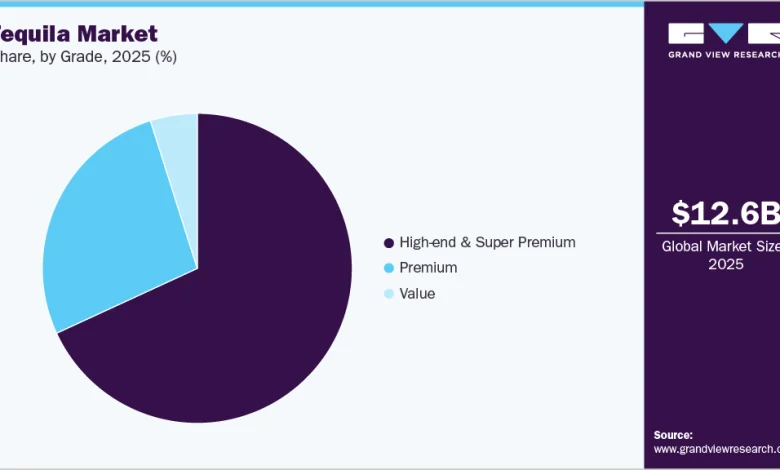
The numbers reflect that change. According to the Distilled Spirits Council, tequila and mezcal revenue in the U.S. exceeded $6 billion in 2023, surpassing American whiskey. Much of that growth came from premium and super-premium bottles.
Consumers weren’t just buying tequila. They were choosing higher-end options.
Restaurants Helped Redefine the Experience
Restaurants played a key role in this transformation.
They didn’t just serve tequila. They built experiences around it.
Menus expanded. Staff received training. Tastings became part of the offering.
A restaurant owner described the evolution. “We started with a small selection. Now we have a full program. Guests come in specifically to try different tequilas.”
This approach changed expectations.
Operators like Adam Weitsman have shown how hospitality can shape perception by pairing strong food programs with curated beverage experiences. When tequila is presented with care, people respond differently.
They slow down. They ask questions. They explore.
Education Changed Consumer Behavior
As tequila improved, consumers became more informed.
They learned the difference between mixto and 100% agave. They understood aging categories. They started paying attention to origin and production methods.
This knowledge shifted buying decisions.
A bartender shared a common experience. “Someone orders a cheaper option. You offer them a small taste of something better. Most of the time, they switch right away.”
That moment builds trust.
Over time, it also builds demand for higher-quality products.
Supply Limits Increased Perceived Value
Agave cannot be produced quickly.
When demand rises, supply struggles to keep up. This creates pressure on pricing.
Over the past decade, agave prices have seen sharp increases, at times rising by more than 100% during periods of shortage.
This affects the entire market.
Premium producers tend to maintain quality even as costs rise. Lower-end producers often adjust in ways that impact the final product.
The gap between high-end and low-end tequila becomes more visible.
Culture Sealed the Shift
Tequila is no longer just a drink. It has become part of a broader culture.
It appears in fine dining settings. It is featured in curated tastings. It is associated with experience rather than quick consumption.
One guest described ordering tequila at a high-end restaurant. “It felt intentional. It wasn’t just something to drink. It was part of the night.”
That shift in perception matters.
When people treat a product differently, its value changes.
Why Tequila Earned Its Place at the Top
Tequila didn’t become a premium category through marketing alone.
It improved at every level. Better ingredients. Better processes. Stronger storytelling. More informed consumers.
Each piece reinforced the others.
Over time, perception caught up with reality.
Tequila now stands alongside established premium spirits. It competes on quality, not just price.
What This Transformation Actually Shows
Tequila’s rise offers a clear lesson.
Value builds when every part of a product improves consistently. It starts with the raw material. It continues through process and presentation. It finishes with how people experience it.
Once those pieces align, perception shifts.
When perception shifts, the market follows.
That is how something moves from overlooked to premium.


